
Cloud Bookkeeping for Growing Businesses
AccTek provides professional bookkeeping services for sole traders, landlords, contractors, and limited companies across the UK.
For as low as only £19.99 per month
What Is Bookkeeping?
Bookkeeping is the systematic recording and categorisation of your financial transactions.
This includes:
• Sales and income
• Supplier bills and expenses
• Bank transactions
• VAT records
• Payroll journals
• CIS deductions
• Property income and expenses
Proper bookkeeping ensures your accounts are accurate in real time — not reconstructed at year-end.
Why Professional Bookkeeping Matters
Many business owners attempt to manage bookkeeping themselves. The problem is not intelligence — it is time and structure.
Poor bookkeeping leads to:
• Incorrect tax filings
• Missed expense claims
• VAT errors
• Cash flow surprises
• Stress at year-end
Professional bookkeeping transforms your financial data into reliable management information.
Clarity reduces risk.
Bookkeeping vs Accounting – What’s the Difference?
Bookkeeping is the recording and organisation of financial transactions.
Accounting is the interpretation of that data to prepare statutory accounts, tax returns, and advisory insights.
Good accounting depends on good bookkeeping.
Without clean books, tax efficiency becomes guesswork.
Transparent Bookkeeping Pricing
Our bookkeeping services are structured based on:
• Transaction volume
• VAT status
• CIS complexity
• Property portfolio size
• Reporting requirements
We provide fixed monthly pricing with no hidden surprises.
How do we help
Everything You Need — Nothing You Don’t

Cloud Accounting Setup
We implement and configure cloud software such as Xero.
This includes:
• Chart of accounts structuring
• Bank feed integration
• VAT configuration
• CIS setup (if applicable)
• Property portfolio structuring
A clean system at the beginning prevents compounding errors later.
Transaction Recording & Reconciliation
We record and reconcile:
• Bank transactions
• Credit card transactions
• Supplier invoices
• Customer invoices
• Expense claims
Monthly reconciliation ensures your books reflect reality — not estimates.
Management Reporting
We provide structured reports including:
• Profit & Loss
• Balance Sheet
• Cash Flow summaries
• Budget comparisons
Financial data should inform decisions — not confuse them.
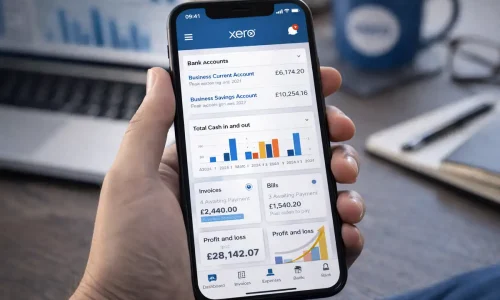
Cloud Bookkeeping with Xero
Modern bookkeeping requires modern systems.
Cloud accounting allows:
• Real-time financial visibility
• Secure digital record keeping
• MTD compliance
• Automated bank feeds
• Document storage
• Remote access
AccTek specialises in structured Xero implementation and ongoing support.
Who We Support
Our bookkeeping services are tailored for:
• Sole traders
• Freelancers and consultants
• CIS contractors
• Buy-to-let landlords
• Small limited companies
Each group has different bookkeeping challenges. We structure systems accordingly.

Helpful Accounting resources
Looking for accounting advice and guidance before paying for our service? We’ve got you covered.

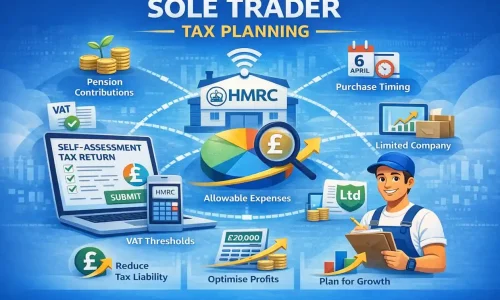
How to pay yourself as a Sole Trader and how much to put aside for tax
As a sole trader, you’re not directly employed and you don’t receive a salary or wage in the traditional sense. So how do you pay yourself as a sole trader and then pay any tax due?

Understanding the legal requirements of being a sole trader
Setting up as a Sole Trader is a popular way to start a business, especially for those entering the business world for the first time. However, as with everything in business, becoming a sole trader comes with several risks you should be aware of.
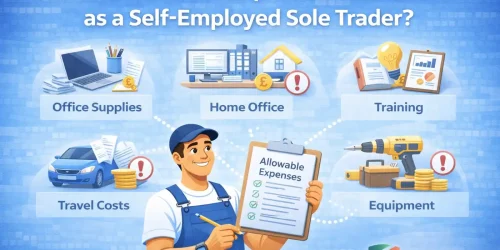
What business expenses can I claim as a self employed Sole Trader?
As you juggle all the new responsibilities, you’ll also deal with lots of new costs. The good news is that many of these costs can be claimed as business expenses, meaning you’ll pay less tax and get to keep more of your hard-earned money.
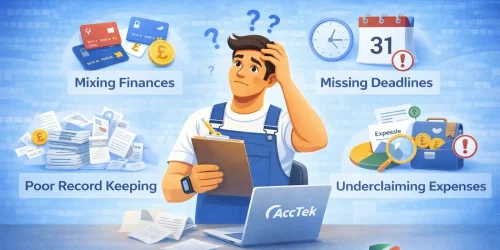
Common Mistakes Sole Traders Make
We regularly see missing allowable expenses (mileage, home office, use of phone), forgetting about payments on account, mixing personal and business finances. Avoiding these mistakes can save thousands over time.

Sole Trader vs Limited Company – When Should You Switch?
A common question. There is no single income level where incorporation is automatically better. We provide clear modelling so you can see the difference in tax outcomes before making the decision.

Questions
Frequently Asked Questions
What does a bookkeeping service include?
A professional bookkeeping service typically includes:
• Recording income and expenses
• Reconciling bank and credit card accounts
• Managing supplier bills and customer invoices
• Preparing VAT data
• Maintaining digital records for HMRC compliance
• Producing monthly financial reports
Bookkeeping ensures your financial records are accurate and up to date throughout the year — not reconstructed at year-end.
What is the difference between bookkeeping and accounting?
Bookkeeping is the recording and organisation of financial transactions.
Accounting uses that data to prepare statutory accounts, tax returns, and provide financial advice.
Think of bookkeeping as building the data foundation. Accounting is the analysis built on top of it. Without clean books, tax efficiency and financial planning become unreliable.
How often should bookkeeping be done?
For most businesses, bookkeeping should be done monthly at a minimum.
Higher transaction volumes may require weekly updates.
Regular bookkeeping ensures:
• Accurate VAT submissions
• Real-time profit visibility
• Strong cash flow control
• Reduced year-end stress
Leaving bookkeeping until the end of the year increases risk of errors and missed deductions.
Do I need bookkeeping if I use accounting software like Xero?
Yes.
Software does not replace bookkeeping — it facilitates it.
Cloud platforms such as Xero automate bank feeds, but transactions still require correct categorisation, reconciliation, and review.
Incorrect coding leads to incorrect tax calculations and distorted financial reports.
How much do outsourced bookkeeping services cost in the UK?
Bookkeeping costs depend on:
• Transaction volume
• VAT registration
• CIS complexity
• Number of bank accounts
• Reporting requirements
Most small businesses pay a fixed monthly fee based on complexity. Outsourced bookkeeping is often more cost-effective than hiring in-house staff.
Can poor bookkeeping affect my tax bill?
Absolutely.
Incorrect bookkeeping can lead to:
• Under-claimed expenses
• Overpaid tax
• VAT errors
• Penalties under Making Tax Digital
• Inaccurate profit calculations
Accurate bookkeeping protects compliance and ensures your tax position reflects reality.
Got more questions or simply want to talk?
Call us, WhatsApp us or use the instant quote
You are in safe hands
When you trust us with your accounts, you can have complete confidence that we know what we’re doing. Our accountants have a wide range of qualifications and accreditations from trusted professional bodies such as the AAT and ICAEW.