Tips done right. VAT classified correctly. Prime cost under control. Specialist accounting for UK restaurants, pubs, bars, hotels, cafes and takeaways. Tronc & Tips Done Right Food & Drink VAT Delivery-Platform Reconciliation Shift & Seasonal Payroll Prime-Cost Visibility Fixed Monthly Fees
Most operators come to AccTek — specialist hospitality accountants — because they are wrestling with one or more of these.
No tronc, or one run by the owner — so you’re paying National Insurance on tips you didn’t need to.
Eat-in, hot takeaway, cold takeaway, delivery and alcohol can all be treated differently — and it’s easy to get wrong.
Deliveroo, Uber Eats and Just Eat pay net of commission, so payouts never match your tills.
High turnover, shift patterns and National Minimum Wage rules — a top HMRC audit trigger in hospitality.
Food and labour are your two biggest costs — but you can’t see them as a live percentage of sales.
Your current accountant treats a venue like any other limited company.
Most firms treat a restaurant, pub or hotel like any other company. They set up tips the wrong way, misclassify food and drink VAT, never reconcile the delivery apps, and leave you blind to prime cost. AccTek is built differently — by an ACA-qualified team that understands how hospitality actually runs.
A dedicated, ACA-qualified accountant who understands tronc, food-and-drink VAT, delivery apps and shift payroll — not generic returns.
We set up and run a compliant, independent tronc so tips are free of National Insurance — and meet the 2024 Tips Act. See our tronc guide.
Eat-in, takeaway, delivery and alcohol classified correctly, with a Flat Rate Scheme review where it helps.
We tie Deliveroo, Uber Eats, Just Eat and your EPOS back to actual sales, commissions and VAT.
High-turnover, shift-based payroll run cleanly, and National Minimum Wage compliance kept watertight.
Food and labour tracked as a live percentage of sales, so you can protect margin week to week.

Nella is the AI assistant inside the AccTek Finance Lab. Message her like you'd text a colleague and she answers from your real, reconciled Xero numbers — in seconds, any time. She understands UK limited company tax, director remuneration, and SME financial management, and she knows exactly where her job ends and your accountant's begins.
 WhatsApp
 Slack
Slack
 AccTek Portal
 ChatGPT
Real questions directors ask — answered from your own live numbers.
Illustrative examples · Nella answers; your chartered accountant signs off.
“Our tips were running through payroll and costing us a fortune in NI. AccTek set up a proper independent tronc and made the Tips Act side simple.”
Owner — Restaurant group
“Between Deliveroo, Uber Eats and the till nothing ever matched. Now every payout reconciles and our VAT is finally right.”
Director — Multi-site takeaway
“For the first time we can see food and labour as a percentage of sales each week. It’s changed how we run the business.”
Co-founder — Gastropub
This is the single biggest saving in hospitality. If tips are allocated by an independent troncmaster rather than the employer, they are not earnings for National Insurance, so they carry income tax only — removing the employer’s 15% and the employee’s 8% NICs (2026/27) on those tips. Income tax still applies. Since the Employment (Allocation of Tips) Act 2023 took effect on 1 October 2024, your tronc also has to be fair, documented and properly run. We set up and operate compliant troncs, and our tronc and tips guide explains the rules in full.
Hospitality VAT is rarely simple, but the core rules are clear. Anything eaten in is standard-rated at 20%, and so is hot takeaway food. Most cold takeaway food is zero-rated — though some items are always standard-rated even when cold, such as confectionery, crisps and savoury snacks, ice cream, and soft and alcoholic drinks. Alcohol is always 20%. Where it helps we review the VAT Flat Rate Scheme (currently 12.5% for restaurants and takeaways, 6.5% for pubs and 10.5% for hotels). We make sure your tills, menus and returns line up and confirm the treatment for your exact sales mix before filing.
Deliveroo, Uber Eats and Just Eat each pay you net of commission, refunds and adjustments, so their payouts never equal your gross sales — and your EPOS shows a third figure again. We reconcile each platform’s statements and your EPOS (Lightspeed, Square and similar) into your accounts so revenue, commission costs and VAT all land correctly.
Hospitality payroll means frequent starters and leavers, varied shift patterns and tight National Minimum Wage compliance — one of HMRC’s most common audit areas in the sector. We run it cleanly, and because tips cannot be used to make up the minimum wage, we make sure wages reach the legal minimum on their own, with tips on top.
We track prime cost — food plus labour as a percentage of sales — so you can protect margin week to week, and we make sure capital spend on fit-outs and equipment is claimed efficiently. For 2026/27, profit extraction usually means a director’s salary around the £12,570 personal allowance topped up with dividends (£500 allowance; rates 10.75% / 35.75% / 39.35%), with company profits taxed at 19% up to £50,000 and tapering to 25% over £250,000. We model the optimal split for you and any co-directors.
We work across hospitality and structure your accounts around how you actually trade:
Whether you run one site or twenty, the way your sales, tips, costs and payroll are recorded drives your tax position and your margin. We make sure both are right.
An ACA-qualified accountant who understands tronc, VAT, delivery apps and shift payroll.
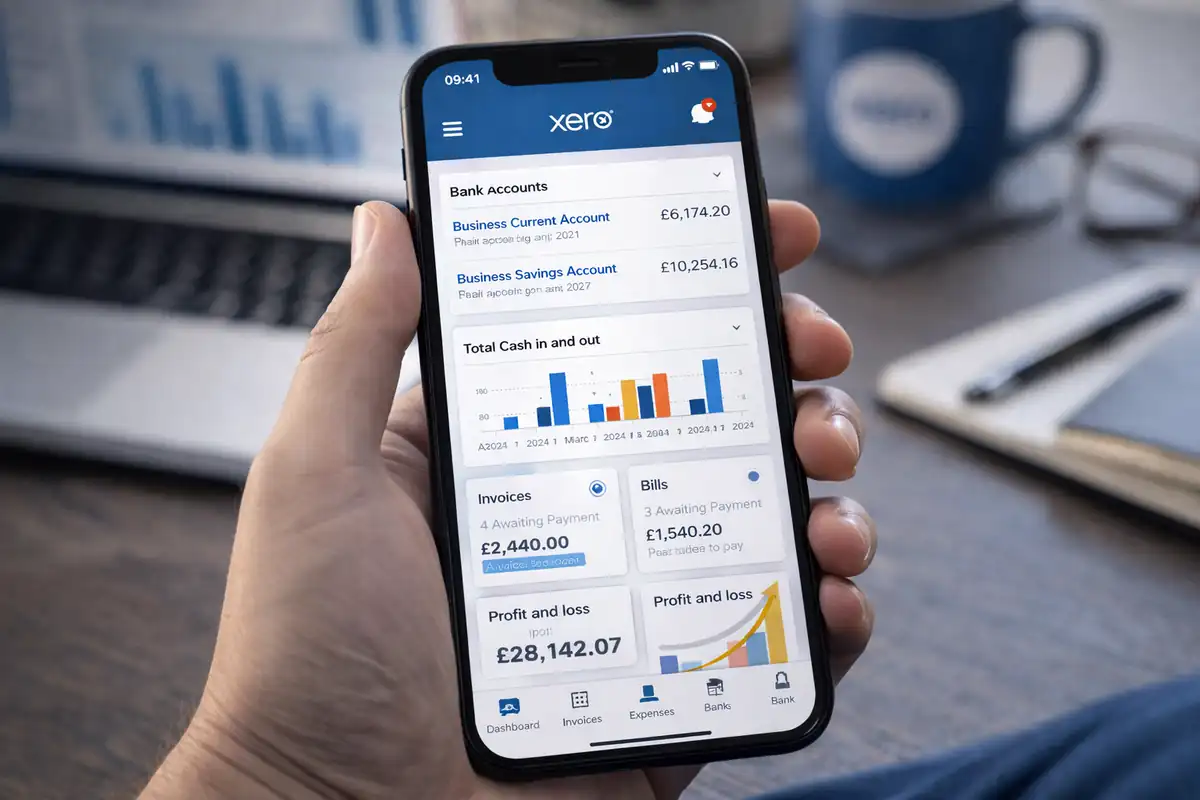
Delivery-platform and EPOS reconciliation, with prime cost tracked into Xero.
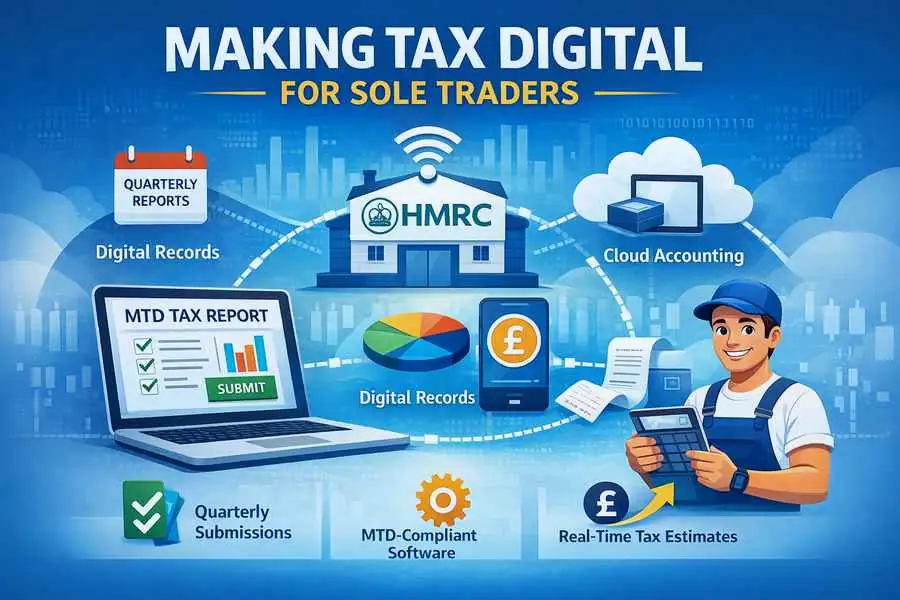
Food-and-drink VAT, shift payroll and NMW, a compliant tronc and MTD filing.
It pays to. Hospitality has issues a generalist rarely handles well: setting up a tronc so tips are free of National Insurance, the differing VAT treatment of eat-in, takeaway, delivery and alcohol, reconciling delivery-app and EPOS takings, shift-based payroll and minimum-wage compliance, and keeping prime cost under control. A specialist captures the savings and keeps you compliant.
If tips are allocated through a tronc run by an independent troncmaster rather than by the employer, they are not earnings for National Insurance, so they carry income tax only — removing the employer’s 15% and the employee’s 8% NICs (2026/27) on those tips. Income tax still applies. Our tronc and tips guide explains the rules and the 2024 Tips Act in full.
Because the same kitchen can produce sales with different VAT treatment. Whether food is eaten in, taken away hot, taken away cold or delivered can change how it is treated, and alcohol is treated differently again. Getting each sale classified correctly, and reviewing whether the Flat Rate Scheme suits you, is central to a hospitality VAT return. We handle this for you.
Yes. Deliveroo, Uber Eats and Just Eat each pay you net of commission, refunds and adjustments, so their payouts never match your gross sales, and your EPOS records a different figure again. We reconcile delivery-platform statements and EPOS data into your accounts so revenue, commissions and VAT are right.
We run shift-based, high-turnover payroll with starters and leavers handled promptly, and keep you compliant with the National Minimum Wage and National Living Wage, a frequent HMRC audit focus in hospitality. Note that tips cannot be used to make up minimum-wage pay, so wages must reach the legal minimum on their own.
A common 2026/27 structure is a director salary around the £12,570 personal allowance topped up with dividends, mindful of the £500 dividend allowance and dividend rates of 10.75% basic, 35.75% higher and 39.35% additional. Company profits are taxed at 19% up to £50,000, tapering to 25% over £250,000. We model the optimal split for you and any co-directors.
Fixed monthly fees • Dedicated ACA accountant • Tronc & tips done right • VAT, payroll & prime cost
Get Your Instant Quote → Book Free Consultation
Godwin Pinto ACA (ICAI) is the founder of AccTek and a member of ICPA, with 20+ years of experience in accounting and tax for contractors, startups and SMEs. Previously at PwC.
AccTek is a member firm of the Institute of Certified Practising Accountants (ICPA), and our founder is a member of the Association of International Accountants (AIA) holding an AIA Practising Certificate. Our accountants hold qualifications and accreditations from trusted professional bodies including the AIA, ICPA, AAT and ACCA.